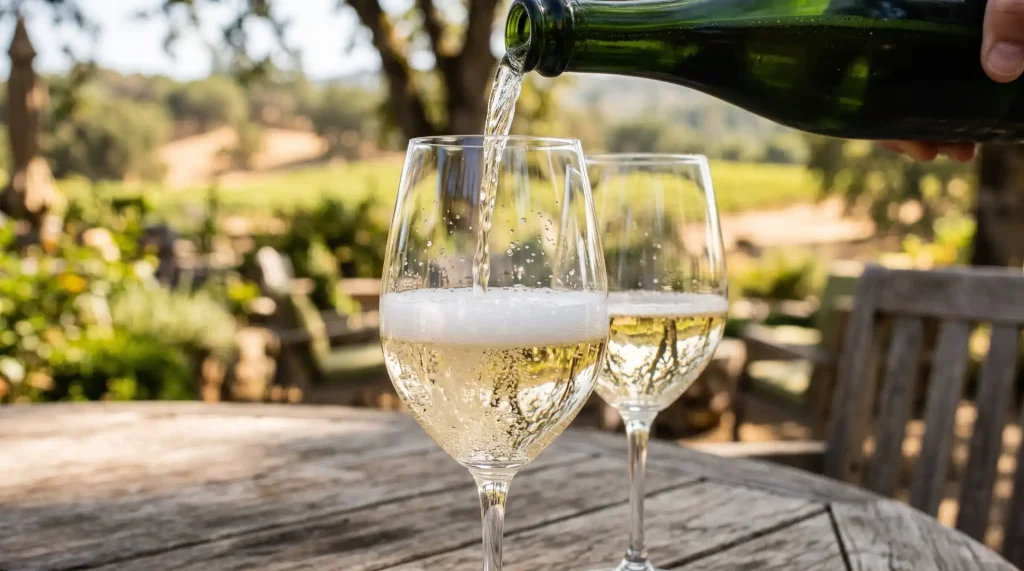
Mendocino County, California, offers a wine country experience that combines beautiful landscapes, distinctive wines, small-town hospitality, and opportunities to slow down and enjoy Northern California. For travelers planning a getaway in 2026, Anderson Valley stands out for its cool-climate vineyards, independent wineries, sparkling wine producers, farm-to-table food, and scenic countryside.
Located inland from the Mendocino Coast, Anderson Valley follows the Highway 128 corridor through communities such as Boonville and Philo. The landscape includes rolling vineyards, oak-covered hills, wooded ridges, and agricultural properties that reflect the region’s rural character. Although it is a wine destination, the valley is not limited to wine enthusiasts. Couples, food lovers, photographers, and travelers exploring the North Coast can all find reasons to include it in a California road trip.
The region is especially associated with Pinot Noir, Chardonnay, and sparkling wine. Its cool coastal influence helps create growing conditions that differ from California’s hotter inland wine regions. Individual vineyards and producers interpret these conditions in different ways, allowing visitors to compare wines, learn about winemaking, and discover their own preferences.
A well-planned visit does not require an elaborate schedule. Two or three tasting rooms, a leisurely lunch, a scenic drive, and an overnight stay can create a rewarding weekend. With a little preparation, visitors can experience Anderson Valley in a way that feels personal rather than rushed.
Why Visit Anderson Valley Wine Country in 2026?
Anderson Valley appeals to travelers who want to experience wine country without the pace and scale of a major tourist destination. Many visitors appreciate the opportunity to meet tasting-room staff, learn about individual producers, and enjoy vineyard settings without trying to fit an excessive number of stops into a single day.
The area’s agricultural history is an important part of its identity. Winegrowing developed alongside the valley’s farming traditions, and the region has built a reputation for wines that reflect its cool climate and varied vineyard locations. The result is a destination where wine tasting can be combined with conversations about local agriculture, food production, and rural life.
Another advantage is the variety of experiences within a relatively compact area. Highway 128 connects wineries, farms, small businesses, and the communities of Boonville and Philo. Visitors can enjoy a morning tasting, explore a local shop, have lunch, and spend the afternoon at another winery without needing to cross an entire county.
Anderson Valley also works well as part of a larger Mendocino County vacation. Travelers can combine inland wine country with coastal villages, redwood forests, and scenic Pacific Ocean viewpoints. For a broader driving itinerary, see Why Mendocino County Is the Perfect Northern California Road Trip Destination, which offers additional ideas for exploring the county.
For 2026 visitors, advance planning is particularly useful during busy weekends, seasonal events, and harvest periods. Tasting-room schedules, fees, food service, and reservation policies vary by winery, so checking official websites before leaving home can help prevent unnecessary delays.
 Understanding Anderson Valley’s Cool-Climate Wines
One of the most interesting aspects of Anderson Valley wine country is the relationship between the landscape and the wines produced there. Coastal air, fog, elevation, sunlight, and vineyard location all influence how grapes develop during the growing season.
The valley’s climate can support grapes that benefit from a longer, cooler growing period. This is one reason Pinot Noir, Chardonnay, and sparkling wines are important parts of the region’s identity. However, no two wines are necessarily alike, even when they come from the same general area.
Pinot Noir: A Defining Anderson Valley Wine
Pinot Noir is among the best-known varieties associated with Anderson Valley. It is made from a thin-skinned grape that can respond noticeably to differences in climate, vineyard location, and winemaking decisions.
Depending on the producer and vintage, a Pinot Noir may offer aromas of cherry, raspberry, strawberry, forest floor, flowers, or spice. Some wines emphasize fresh fruit and delicate textures, while others have greater concentration, earthy complexity, or a more structured finish.
When visiting a tasting room, try comparing two Pinot Noirs side by side. Notice their acidity, body, tannins, aroma, and finish rather than concentrating only on fruit flavors. Ask whether the wines come from different vineyards, whether they were aged in oak, and how the winemaker describes the vintage.
These questions help visitors understand how a single grape variety can produce a range of styles. They also make tastings more engaging for beginners who may not yet know which characteristics they prefer.
Chardonnay and Aromatic White Wines
Chardonnay is another important variety in Anderson Valley. Depending on how it is made, the wine can be crisp and citrus-driven, textured and mineral, or richer with notes associated with oak aging.
Ask the tasting-room host whether a Chardonnay was fermented or aged in stainless steel, oak barrels, or a combination of vessels. These techniques can influence the wine’s texture, aromas, and overall character.
Visitors may also encounter varieties such as Gewürztraminer, Riesling, Pinot Gris, and Sauvignon Blanc, depending on the winery’s current selection. Aromatic whites can provide a refreshing contrast to Pinot Noir and may pair particularly well with salads, fresh cheeses, seafood, and lighter meals.
Exploring white wines is also a useful way to add variety to a tasting itinerary. Even travelers who primarily enjoy red wine may discover a new favorite when they compare the region’s different styles.
Sparkling Wine for Special Occasions
Anderson Valley has a strong association with sparkling wine, partly because cool-climate growing conditions can help grapes retain the acidity needed for balanced sparkling wines.
Roederer Estate and Scharffenberger Cellars are two recognized producers associated with sparkling wine in the valley. Their offerings give visitors an opportunity to learn about traditional-method production, in which a secondary fermentation takes place inside the bottle.
Sparkling wine can be an excellent choice for anniversaries, birthdays, and romantic weekends. It can also be a good introduction to tasting because visitors can compare the freshness, bubbles, texture, and flavors of different bottlings.
Before visiting a sparkling wine producer, check whether the winery offers seated tastings, guided experiences, or reservations. Some experiences may have limited availability, particularly during popular travel periods.
 Anderson Valley Wineries to Put on Your 2026 Itinerary
Choosing wineries is one of the most enjoyable parts of planning an Anderson Valley getaway. The region offers a range of experiences, from broad tasting menus to producers that specialize in particular grape varieties.
The following destinations provide a useful starting point. Because tasting selections and visitor policies can change, confirm current details with each winery before making a reservation.
Navarro Vineyards
Navarro Vineyards in Philo is a well-established name in Anderson Valley wine country. Its range of wines makes it a useful stop for visitors who want to compare multiple varieties during a single visit.
Depending on the current tasting menu, guests may be able to explore white wines, Pinot Noir, and other offerings. Navarro is also known for grape juice products, making it an option for groups that include people who do not drink alcohol.
A visit can fit naturally into a Highway 128 itinerary, especially for travelers who want to combine wine tasting with a relaxed drive through the countryside. Rather than rushing through the available wines, ask staff which selections best represent the vineyard’s style and how the current vintage differs from previous releases.
Check the winery’s official visitor information for opening hours, tasting fees, and food or picnic policies.
Roederer Estate
Roederer Estate is a strong option for travelers interested in sparkling wine. Its Anderson Valley operation is associated with traditional-method sparkling wines that reflect both established production techniques and the region’s cool-climate growing conditions.
During a visit, pay attention to differences in acidity, bubbles, texture, and flavor. Ask how the winery’s production method affects the wine and why cool growing conditions can be useful when producing sparkling wine.
This stop can be particularly appealing to couples celebrating a special occasion or visitors who want to explore a style beyond conventional still wines.
Because tasting experiences and reservations can vary, confirm the available options before setting your itinerary.
Handley Cellars
Handley Cellars offers another opportunity to explore the region’s winegrowing history and current wines. Its range has included varieties such as Pinot Noir, Chardonnay, and Gewürztraminer, although specific selections may change.
The winery can be a rewarding stop for travelers who enjoy learning about the people behind a wine. Ask about vineyard locations, growing conditions, and the differences between the wines currently available.
Comparing several varieties at one producer can help visitors understand how different grapes respond to the same regional environment. It also makes the tasting more informative than simply sampling one glass after another.
Husch Vineyards
Husch Vineyards is a long-established Anderson Valley winery with a place in the development of the local wine industry. It is worth considering for travelers who enjoy combining wine tasting with a sense of regional history.
During your visit, ask about the winery’s background, the varieties it produces, and the ways vineyard practices have changed over time. Such conversations can provide context for the broader evolution of Anderson Valley wine country.
Husch’s location along the Highway 128 corridor makes it possible to include in a route through the valley without building an entire day around a single stop. Confirm current tasting hours and visitor requirements before departure.
Goldeneye
Goldeneye is worth considering for travelers particularly interested in Pinot Noir. Its wines offer an opportunity to explore how a producer interprets the region’s signature grape.
If multiple bottlings are available, compare their fruit character, acidity, texture, and finish. Ask whether the wines come from different vineyard sites and how the location of the grapes influences the finished product.
A focused Pinot Noir tasting can be valuable for experienced wine enthusiasts, but it can also be approachable for beginners. You do not need specialist knowledge to enjoy the experience; simply paying attention to what you like is a useful starting point.
Toulouse Vineyards
Toulouse Vineyards is another option for visitors who appreciate a relaxed tasting experience and vineyard scenery. Its location makes it a possible addition to a drive through Anderson Valley.
Outdoor seating, where available, can provide a pleasant setting for tasting while enjoying the surrounding landscape. The wines offered may vary, so check the current selection if you have a particular grape variety in mind.
Give yourself enough time to enjoy the setting rather than treating the winery as a quick stop. Confirm whether reservations are recommended and whether outdoor seating is available on your intended date.
Pennyroyal Farm
Pennyroyal Farm in Boonville is especially appealing to visitors interested in the connection between wine, farming, and local food. The farm combines agricultural experiences with wine and farmstead cheese, offering a different perspective on the region’s food culture.
Depending on the current program, visitors may be able to explore wine and cheese pairings or arrange a farm tour. These experiences can help explain how acidity, salt, creaminess, and texture influence food pairings.
Pennyroyal Farm can be particularly useful for groups with varied interests because the experience extends beyond wine alone. Check the official schedule for tours, tasting availability, and reservation requirements.
How to Plan a Relaxed Winery Route
One of the most common mistakes visitors make is trying to fit too many wineries into one day. Although it may be tempting to visit every tasting room on a map, a rushed schedule can reduce the enjoyment of each stop.
For most visitors, two or three wineries in a day provide a more comfortable pace. This leaves time for parking, tasting, conversations with staff, lunch, and unexpected discoveries along the route.
Begin by deciding what you want from the trip. If Pinot Noir is your main interest, choose wineries with a strong selection of that variety. If you prefer sparkling wine, focus on producers known for it. Food enthusiasts may want to prioritize places that offer farm tours, cheese pairings, or nearby dining.
Next, consider the format of the tasting. Some wineries offer seated flights with explanations of each wine, while others may provide outdoor seating or a more flexible walk-in experience. Review the winery’s current information so that the style of visit matches your expectations.
Finally, arrange the route geographically. Group wineries that are close to one another rather than repeatedly driving back and forth along the valley. Leave a reasonable buffer between reservations, and allow time for changing weather or slower road conditions.
The Best Seasons for Anderson Valley Wine Country
Anderson Valley can be enjoyable throughout the year, but each season brings a different atmosphere. Your ideal visit depends on whether you prefer green hills, long summer days, harvest activity, or a quieter winter escape.
Spring: Green Hills and Fresh Vineyard Growth
Spring often brings green hillsides and fresh growth across the agricultural landscape. It can be an appealing time for visitors who prefer a relaxed trip and want to combine wine tasting with outdoor activities.
Weather can change quickly, so bring layers and check the forecast before departing. Rain may affect road conditions, and some outdoor experiences may operate differently depending on the season.
Spring is also a good time to combine winery visits with local food, small-town shopping, and walks in nearby natural areas. Check the opening hours of each attraction instead of assuming every business is open daily.
Summer: Longer Days and Outdoor Experiences
Summer offers longer daylight hours, making it easier to combine tasting rooms with scenic drives and outdoor stops. Coastal fog and cool breezes can create conditions different from those farther inland, so a light jacket is useful even when the day starts warmly.
Summer is a popular travel period in Northern California. Booking accommodations and sought-after tastings ahead of time can reduce the chance of finding your preferred options unavailable.
Plan to eat before or between tastings, drink water, and keep the schedule flexible. A leisurely afternoon at a favorite winery can be more rewarding than squeezing in another stop simply because it appears on your original itinerary.
Fall: Harvest Season and Agricultural Traditions
Fall is an appealing time to visit wine country because vineyard activity and seasonal agricultural events can create a lively atmosphere. Depending on the vintage and weather, visitors may see grapes being harvested or encounter harvest-related activity.
Harvest timing changes from year to year, and not every winery offers public access to production areas. Contact individual wineries if you are interested in tours or winemaking demonstrations.
Autumn is also a good opportunity to explore local food and farm experiences. Make reservations where required and confirm the schedule before planning a trip around a specific event.
Winter: A Slower Country Getaway
Winter can suit visitors who prefer a quieter atmosphere. Some tasting rooms continue to welcome guests, although operating hours, outdoor seating, and available experiences may differ from those in warmer months.
Rain can affect rural driving, and shorter daylight hours make it important to allow sufficient time between stops. Check weather and road conditions before setting out.
A winter itinerary can focus on one or two tastings, a comfortable overnight stay, and relaxed meals. With fewer activities on the schedule, there is more opportunity to appreciate the landscape and spend time learning about the wines.
A Two-Day Anderson Valley Weekend Itinerary
A two-day getaway provides enough time to enjoy several wineries without turning the experience into a checklist. This sample itinerary can be adapted according to your starting point, preferred wine styles, and accommodation.
Day One: Arrive in Boonville and Explore the Valley
Start the morning with a drive into Anderson Valley, allowing time to enjoy the scenery along Highway 128. If you are traveling from the San Francisco Bay Area, the journey can take several hours depending on your departure point, traffic, and stops. Check a current navigation estimate before leaving.
Arrive with enough time for lunch in or near Boonville. Eating before wine tasting makes the day more comfortable and provides an opportunity to sample local food. If time allows, explore the community’s shops and look for locally produced items.
In the afternoon, visit one or two wineries. You might choose Navarro Vineyards for a broad selection and then visit a producer specializing in sparkling wine or Pinot Noir. Keeping the route compact allows you to spend more time at each stop.
After the tastings, check into your accommodation and enjoy dinner nearby. Staying in or near Boonville or Philo can reduce driving between wineries and lodging. If you prefer an ocean-facing getaway, consider staying on the coast and planning the return drive carefully.
Keep the evening relaxed, especially if the next day includes more tasting. The aim is to enjoy the wine, scenery, and local atmosphere without rushing.
Day Two: Discover Local Food and a Different Wine Style
Begin the second day with breakfast and a leisurely start. If you are interested in agriculture and food, consider a visit to Pennyroyal Farm, provided a suitable tasting or tour is available.
Later in the morning, choose a winery that offers a different experience from the previous day. If you focused on Pinot Noir earlier, consider exploring Chardonnay, aromatic white wines, or sparkling wine. This creates a more varied trip and gives you a better understanding of the region.
Enjoy lunch before beginning the return journey. If you plan to continue toward the Mendocino Coast, allow time for the drive and any scenic stops. The coast and wine country complement one another, but it is better to enjoy a few places properly than rush through a long list of attractions.
Before departing, check road conditions and your expected arrival time. If you have been drinking, do not drive; arrange a sober driver or professional transportation.
Where to Stay for an Anderson Valley Getaway
Your choice of accommodation can shape the entire weekend. Staying near Boonville or Philo keeps you close to many winery stops and can reduce the amount of driving required at the end of a tasting day.
Small inns, bed-and-breakfast properties, and vacation rentals may suit travelers looking for a quiet rural atmosphere. Some visitors prefer the privacy of a countryside property, while others value staying near restaurants and local shops.
The Mendocino Coast offers a different type of overnight experience. Travelers who want ocean views, coastal walks, and seaside dining may prefer staying in or near Mendocino, Little River, or another nearby community. The trade-off is additional travel between the coast and the valley.
When choosing accommodation, consider the location of your planned wineries, check-in time, parking, cancellation policies, and nearby dining options. If you are traveling during a festival, harvest period, or holiday weekend, booking early can help you secure a convenient location.
For a romantic trip, look for a comfortable setting with easy access to dinner. For a group or family, check sleeping arrangements, kitchen facilities, and house rules before booking.
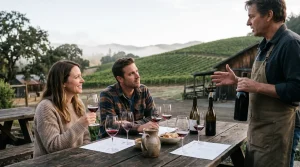 Food Pairings That Bring Anderson Valley Wines to Life
Food can add another layer to a wine country visit. Anderson Valley’s wines can be paired with local produce, farmstead cheese, poultry, mushrooms, and seafood from the broader Mendocino region.
Pinot Noir often works well with roasted chicken, mushroom dishes, grilled salmon, and other foods that do not overpower its fruit and structure. The ideal pairing depends on the individual wine, so ask the tasting-room host for recommendations based on the bottle you are sampling.
Chardonnay can complement roasted vegetables, poultry, seafood, and creamy dishes. A crisp version may work well with lighter foods, while a richer wine can suit more substantial meals.
Sparkling wine is versatile because its acidity and bubbles can refresh the palate alongside salty snacks, cheese, seafood, and celebratory dishes. Aromatic white wines may pair well with fresh cheeses, herbs, salads, and foods with bright flavors.
There are no rigid rules that every visitor needs to follow. Experiment with combinations, pay attention to what you enjoy, and ask questions. If you plan to bring your own food to a winery, check its outside-food policy first because some properties have restrictions or offer their own food service.
Practical Tips for Visiting Wineries in 2026
Preparation can make the difference between a stressful outing and a comfortable wine country experience. Before departure, confirm winery hours, reservation requirements, tasting fees, group-size restrictions, food availability, accessibility, and pet policies.
Set a budget that includes tasting fees, meals, accommodation, transportation, and possible wine purchases. If you discover a wine you enjoy, ask about direct purchases, shipping options, and any applicable restrictions before placing an order.
Wear comfortable shoes and clothing suitable for changing weather. You may spend time on patios, walk through tasting areas, or stop at scenic viewpoints. A reusable water bottle and a small snack can also be useful between appointments.
Transportation deserves particular attention. The safest option is to designate a sober driver who does not drink, book a professional driver or suitable wine tour, or arrange accommodation close to your final tasting. Do not rely on coffee, food, or a short rest to make an impaired driver safe.
If you are traveling with a group, discuss everyone’s preferences before booking. Some guests may be passionate about wine, while others may prefer farm visits, local food, or scenery. A balanced itinerary can help everyone enjoy the trip.
Exploring More of Mendocino County Beyond Wine
Although Anderson Valley can easily fill a weekend, it also fits into a larger Mendocino County vacation. Travelers can add coastal towns, scenic parks, redwood forests, and local attractions before or after their winery visits.
The Mendocino Coast offers dramatic ocean views, beaches, historic communities, and locally owned restaurants. If you want to extend your trip, read Discover Mendocino County’s Coastal Towns and Hidden Gems for ideas on exploring communities such as Mendocino, Fort Bragg, and Point Arena.
For visitors who prefer nature, redwood forests and scenic parks provide a different pace from wine tasting. A walk among towering trees can be a peaceful way to begin a day or recover from a busy travel schedule. See A Guide to Mendocino County’s Redwood Forests and Scenic Parks for additional outdoor inspiration.
When combining several destinations, plan realistic driving times and avoid scheduling too many activities on the same day. Wine country, the coast, and the redwoods each deserve enough time to be enjoyed properly.
Responsible Tourism and Supporting Local Businesses
Anderson Valley is a working agricultural region as well as a tourism destination. Wineries, farms, restaurants, lodging providers, and independent shops contribute to the community and help maintain the character that visitors value.
Support local businesses by purchasing directly from producers, enjoying meals at local restaurants, and choosing regional products when practical. Asking questions about a winery’s history or farming practices can also make a visit more meaningful.
Respect private property and follow posted instructions. Vineyard entrances, farm lanes, and unmarked driveways should not be treated as public sightseeing areas unless visitors are explicitly welcome. Park only where permitted and avoid blocking gates or access roads.
Environmental awareness matters, too. Take rubbish with you, follow trail rules, and respect wildlife. During dry periods, pay attention to fire restrictions and avoid activities that could create a fire hazard.
Responsible travel helps preserve the valley’s rural atmosphere, agricultural heritage, and natural surroundings for residents and future visitors.
Is Anderson Valley Wine Country Worth Visiting in 2026?
For travelers who enjoy wine, scenery, local food, and small-town hospitality, Anderson Valley is a strong choice for a Northern California getaway in 2026. Its combination of cool-climate wines, independent producers, farm experiences, and scenic roads creates a trip that can be as educational or as leisurely as you want.
Experienced wine enthusiasts can compare Pinot Noir, Chardonnay, and sparkling wines from different producers. Beginners can learn about grape varieties and winemaking without needing specialist knowledge. Couples can build a romantic weekend around a few tastings and a comfortable place to stay, while food lovers can explore local cheese, farm products, and regional dining.
The key is to plan a manageable itinerary. Choose wineries based on your interests, verify visitor information, make reservations when necessary, and allow time for meals and scenic stops. A relaxed schedule makes it easier to appreciate both the wines and the landscape.
Anderson Valley also gives visitors a reason to return. Seasonal changes, new releases, special events, and different tasting experiences can make each trip feel distinct. Rather than trying to visit every winery in one weekend, focus on a few places that match your interests and save other destinations for a future visit.
Final Thoughts: Plan Your Mendocino County Wine Country Escape
Anderson Valley offers a memorable wine country experience for travelers who want more than a quick tasting. Its vineyards, cool-climate wines, agricultural traditions, and small communities create a distinctive part of Mendocino County that rewards visitors who slow down and explore.
In 2026, plan around a few carefully chosen wineries, confirm tasting arrangements, select accommodation that fits your route, and arrange safe transportation before the first pour. Add a good meal, a scenic drive, or a walk among the redwoods, and your trip can become a broader exploration of Northern California.
Whether you are visiting for the first time or returning to a favorite producer, Anderson Valley provides plenty of opportunities to discover new wines and connect with the people and places behind them. Start with a simple itinerary, stay flexible, and let the valley’s scenery and hospitality shape your getaway.
Frequently Asked Questions
What wines is Anderson Valley best known for?
Anderson Valley is particularly known for Pinot Noir, Chardonnay, and sparkling wine. Visitors can also find aromatic white wines and other varieties depending on the producer and the current tasting selection.
How many wineries should I visit in one day?
Two or three wineries is a practical target for a relaxed day. This allows time for tasting, conversations, meals, and travel between stops without making the schedule feel rushed.
Do Anderson Valley wineries require reservations?
Some wineries accept walk-ins when space is available, while others require or recommend reservations. Check each winery’s official visitor information before traveling, especially during busy weekends and seasonal events.
When is the best time to visit Anderson Valley?
Spring brings green hills, summer offers longer days, fall can provide harvest-season atmosphere, and winter may be quieter. The best season depends on your preferred activities and tolerance for changing weather.
Can I combine wine tasting with a trip to the Mendocino Coast?
Yes. Anderson Valley can be combined with coastal communities, scenic viewpoints, and redwood areas. Plan enough time for rural roads and arrange a sober driver or professional transportation if you will be tasting wine.
Is Anderson Valley suitable for beginners?
Yes. Tasting-room staff can often explain the wines, grape varieties, and production methods. You do not need expert knowledge to enjoy the experience; asking questions and noticing your own preferences is a good place to start.
External Resource
For current winery listings, tasting-room planning, regional wine information, and visitor resources, consult the official Anderson Valley Winegrowers Association website. Check individual winery pages for the latest opening hours, reservations, fees, and visitor policies.